The Timeless Appeal of Chinese Antique Cabinets
Chinese antique linen cabinets are masterpieces of form and function, offering a perfect blend of practicality and aesthetic charm. Their designs span a broad spectrum, from elegantly simple to intricately ornate, making them versatile additions to any interior decor scheme.
Functionality and Design
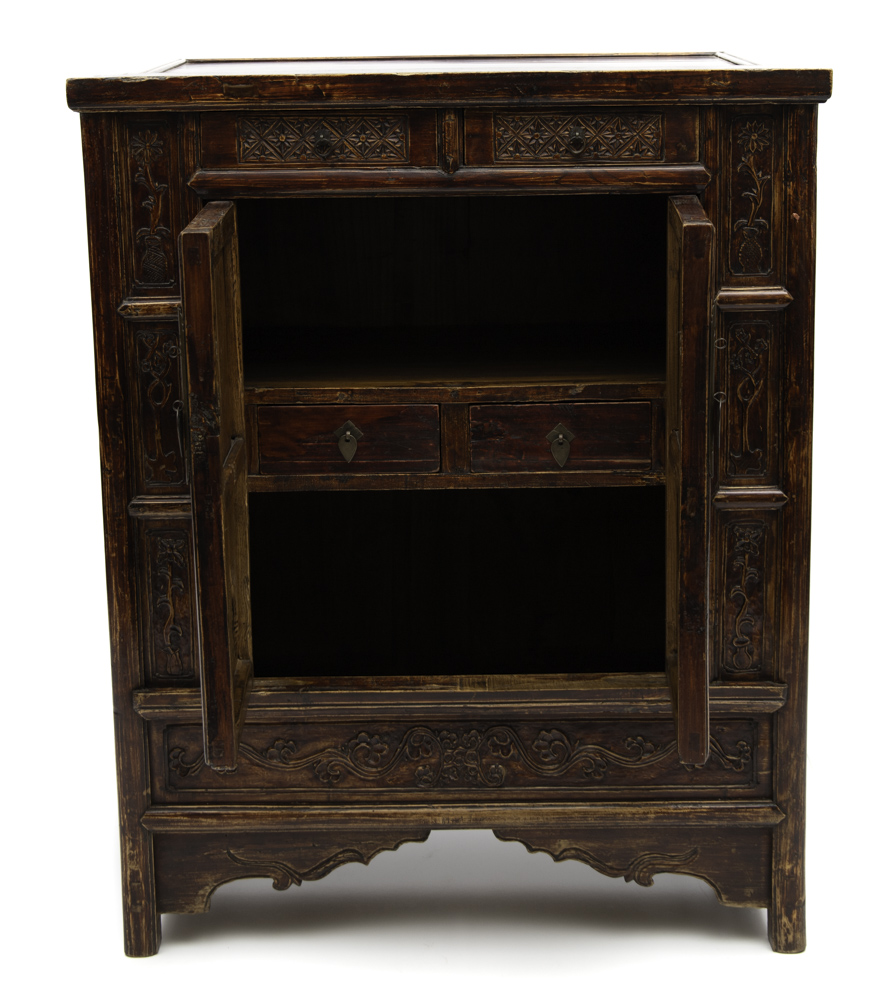
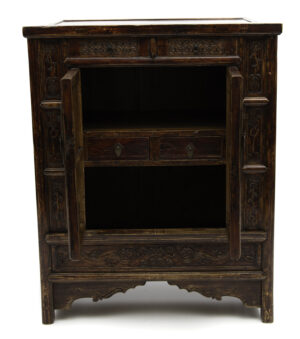
- Versatile storage solutions with a combination of drawers and shelves
- Adaptable to various room sizes, from statement pieces in living rooms to compact designs for bedrooms
- Designs that complement any interior style, from minimalist to luxurious
- Craftsmanship and Philosophy
Chinese carpenters approached cabinet-making with a unique perspective:
- Cabinets were viewed as miniature houses, built to last generations;
- Emphasis on balanced proportions and durability; and
- Designs evolved over centuries, reflecting cultural changes and artistic innovations.
Aesthetic Variety
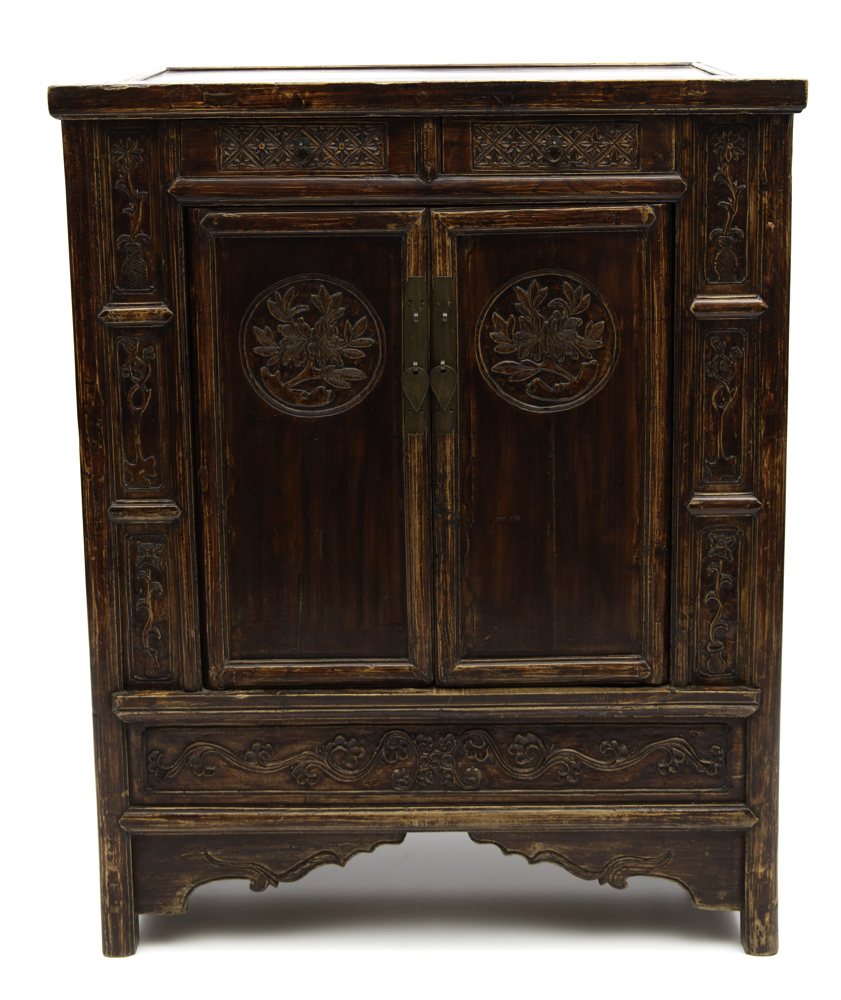
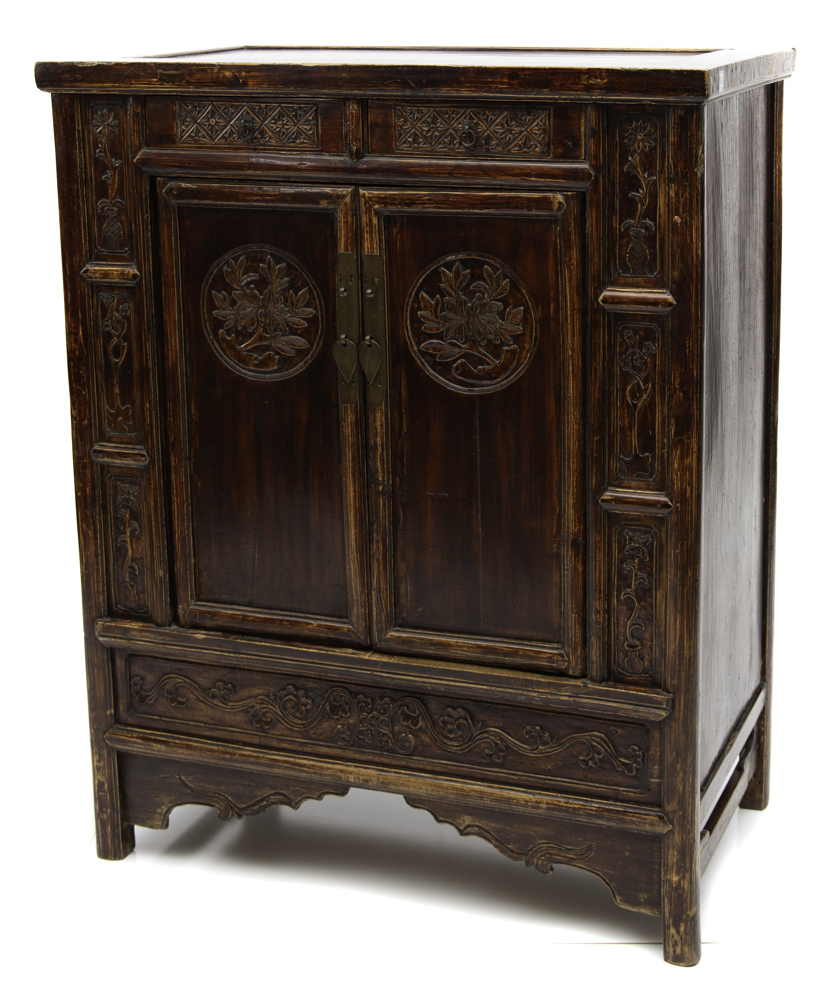
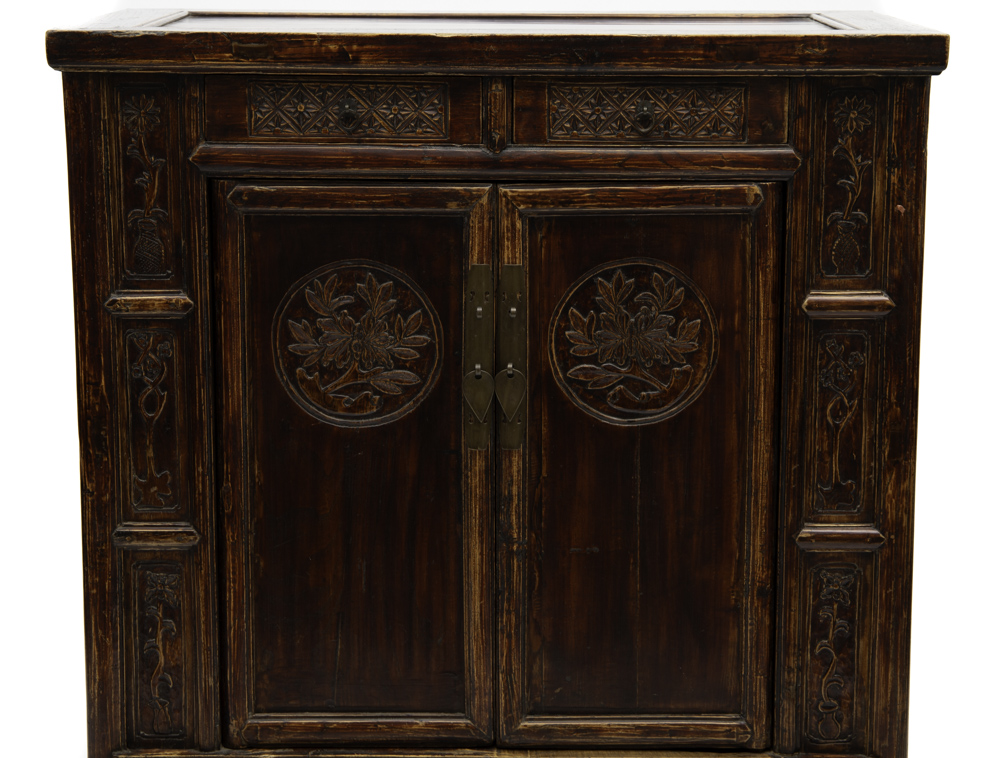
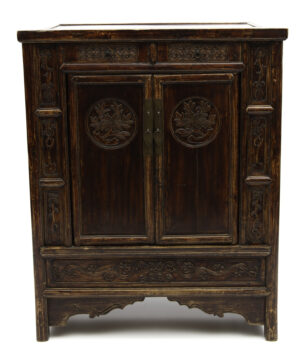
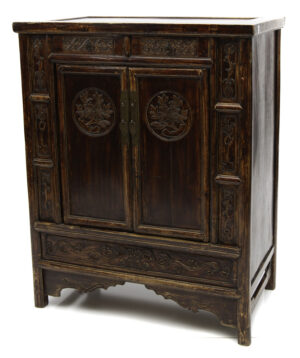
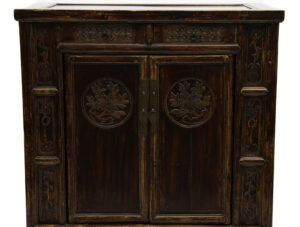
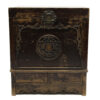
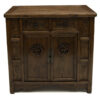
Some cabinets showcase unadorned elegance, highlighting clean lines and natural wood grain; Others feature rich colours and intricate motifs, often symbolizing good wishes or depicting folklore. This rich heritage of Chinese antique cabinets offers a range of options for modern interiors, combining historical craftsmanship with timeless appeal. This cabinet has peony medallions. The word for peony is Fugui hua and fugui means wealth and honour. Therefore the peony represents a wish for prosperity. Chrysanthemum, plum blossom and orchid flowers are on the side panels. The cabinet has a rich plum red lacquer. Lacquer was invented in China approx. 8000 years ago and is sourced from a few species of trees native to China. Producing lacquer was an expensive and time-consuming process. It was applied to preserve the timber and enhance the aesthetic appeal of the furniture.
Conservation and Restoration
Each piece of furniture has been collected with an eye to authenticity. It then undergoes a thorough process of conservation and restoration meaning retaining as much as possible of the original components while restoring its original function so that it will serve for generations to come. See more here.